What Is a Domain TLD and How to Choose the Right One

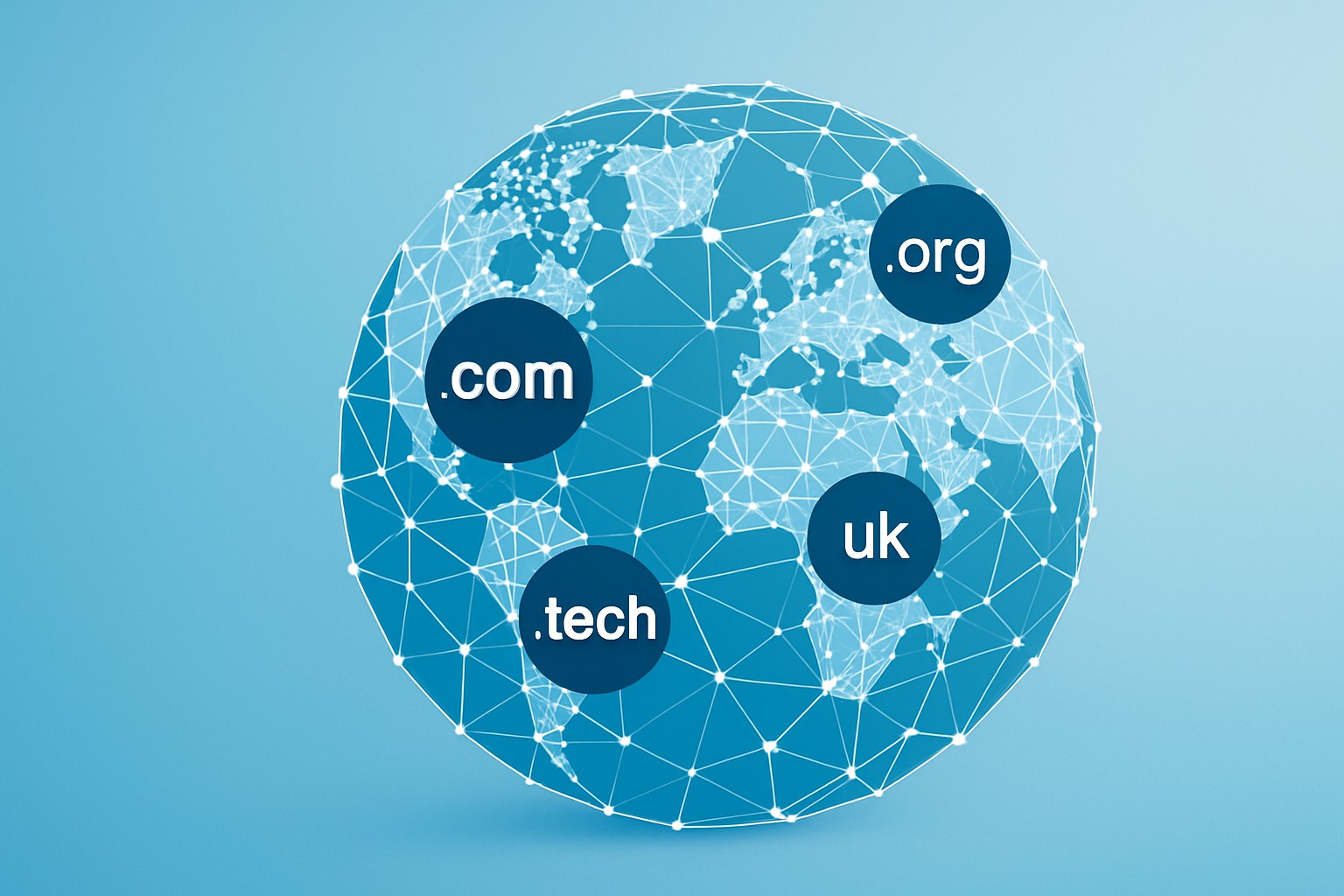
Domain extensions or TLDs (Top-Level Domains) are those little endings you spot on web addresses. Most people don’t realize how much a Domain TLD can shape a website’s personality and boost its reach.
What Exactly Does a Domain TLD Mean Anyway?
A Domain TLD or Top-Level Domain is the bit of a domain name that shows up right after the last dot. Think of it as the highest rung on the ladder in the Domain Name System (DNS) hierarchy. While subdomains and second-level domains zoom in on specific websites or sections, the TLD usually gives you a hint about the domain's general category or where in the world it might be hanging out.
- Subdomain: Think of this as the little tag you slap on before the main domain to keep things neat and tidy like blog.example.com. It’s a handy way to organize or split up content without breaking a sweat.
- Second-Level Domain: This is the heart and soul of your address—the unique bit that usually spells out your brand or site’s identity. For instance the ‘example’ in example.com is where your personality shines through.
- Top-Level Domain (TLD): The tail end of your domain giving a clue about what kind of site you’re dealing with or where it’s rooted. You’ll spot familiar faces like .com, .org or even .uk doing their thing here.
When DNS first came onto the scene in the 1980s there were only a handful of top-level domains to choose from—think the classics like .com for commercial ventures, .org for organizations and .net for networks. Around the same time country-code TLDs appeared like .uk for the United Kingdom and .de for Germany. Fast forward to today and the landscape has shifted quite a bit with many new generic and specialized TLDs making their debut.
Common Types of Domain TLDs You’ll Run Into
Domain TLDs usually fall into three broad categories: the well-known generic TLDs (gTLDs), country-code TLDs (ccTLDs) and newer gTLDs that have appeared over the last decade. Classic gTLDs like .com, .org and .net have been the backbone of the internet for ages. CCtLDs tie a domain to a particular country or territory, giving it a local flavor. We have seen fresh gTLDs such as .tech, .online and .blog join the party, offering more descriptive and tailored options for websites.
| Category | Description | Examples | Common Uses |
|---|---|---|---|
| Generic TLDs | The classic TLDs that don’t tie you to any one country. Think of them as the all-rounders of the web. | .com, .org, .net | Commonly used by businesses, nonprofits, and online communities looking to cast a wide net |
| Country-Code | Two-letter TLDs that scream 'local flavor,' pinpointing specific countries or regions. | .uk, .ca, .jp | Perfect for websites targeting local audiences or regional markets |
| New gTLDs | Freshly minted TLDs with more descriptive or niche vibes—great for standing out in a crowd. | .tech, .blog, .online | Ideal for industry-specific sites and those aiming for a unique brand personality |
- Generic TLDs are the classics like .com, .edu and .gov
- Country-code TLDs represent specific places such as .uk for the United Kingdom or .ca for Canada
- New gTLDs bring fresh options like .tech and .blog
A common point of confusion is the difference between gTLDs and ccTLDs. While ccTLDs are tied to specific countries, a few like .io or .tv have broken free from their geographic roots and found a sweet spot with tech or general sites.
How Domain TLDs Can Quietly Tip the Scales in SEO and Shape How People Perceive Your Website
Search engines often lean on country-code TLDs to get a sense of geotargeting, so a site rocking a .fr domain usually has a leg up in France. On the flip side, generic TLDs tend to be the Switzerland of domains—pretty neutral when it comes to location.
- CcTLDs usually give you a clear sign that the content is geared toward a specific country, which can be a real boon for local SEO efforts
- Generic TLDs don’t tie you down to one place and are a great choice if you’re aiming to cast a wider net and attract a broad audience
- Sticking with familiar or well-known TLDs tends to build trust and credibility more easily because people feel comfortable with what they recognize
- TLDs that sneak keywords into their names don’t typically move the SEO needle much but can subtly influence how users perceive your links and decide to click
"> "Having a .com domain doesn’t magically boost your rankings. In my experience, search engines pay way more attention to the quality, relevance, and authority of your site than just the domain extension itself." — SEO Expert Insight
The choice of TLD definitely plays a role in branding and building trust. Established TLDs like .com tend to feel familiar and comforting to many users, almost like that favorite pair of jeans you never want to part with. On the flip side, newer or more specialized TLDs might give some people pause at first.
Things to Keep in Mind When Picking the Right TLD (Because It’s More Than Just a Fancy Ending)
Picking the right TLD is like choosing the perfect outfit—it boils down to your website's purpose and who you want to catch the eye of. Your brand’s vibe and the technical details behind the scenes also matter. When your TLD clicks with these factors, it usually gives your SEO a nice boost and helps you earn brownie points with customers.
Nail down your website’s main purpose. Are you going commercial, purely informational or nonprofit? Or are you focusing on local services? This really sets the tone.
Get a clear picture of your primary audience and decide if you’re casting a wide global net or focusing on a specific country. Having focus can make all the difference.
Don’t forget those SEO elements like geo-targeting and trust signals. They might sound technical but they are the secret behind good visibility.
Give some thought to your brand identity and the kind of lasting impression you want to create. First impressions count more than we often admit.
Double-check that your top-choice domain name and TLD are actually available. It’s disappointing to fall in love with a name only to find it’s taken.
Consider the costs between different TLDs especially when dealing with the newer or premium ones. Sometimes spending a little extra pays off.
Think about how trustworthy and familiar your chosen TLD feels to your audience. As the saying goes, comfort breeds confidence.
Watch out for any legal hoops or registration rules that might trip you up with certain TLDs. It’s better to be safe than sorry.
A .uk ccTLD is a neat way to give their local SEO a boost and earn some solid user trust along the way. Meanwhile, a .tech new gTLD really spotlights their innovation and helps their brand stand out from the noise.
Checking Domain Availability and Safeguarding Your Brand A Smart Move You Cannot Overlook
Before you lock in a domain name and TLD it’s really worth taking a moment to check if they’re available using domain search tools. Snapping up multiple versions of your domain across different TLDs isn’t just a savvy move—it’s a smart way to shield your brand from pesky competitors or cybersquatters.
Frequent Misunderstandings About Domain TLDs That Commonly Trip People Up
There are quite a few misconceptions floating around when it comes to domain TLDs. A lot of people seem to believe that only .com domains carry that trustworthy vibe or that ccTLDs box you into serving just one country. Then there’s the common assumption that picking a popular TLD will magically give your SEO a leg up.
- .com isn’t the only reliable top-level domain available. Plenty of other options have proven themselves and are quite popular.
- Country-code TLDs don’t necessarily exclude a global audience. They usually indicate a focus on specific countries.
- New generic TLDs don’t harm your SEO. It really depends on how good your site is.
- Choosing a TLD by itself won’t boost your rankings. You need a solid SEO strategy to get things moving.
Step-by-Step Guide to Picking the Right Domain TLD for Your Website (Because First Impressions Matter More Than You Think)
Nail down the main goal of your website. This is the best way to get a clear sense of who your visitors really are and what kind of content will resonate with them.
Pinpoint where your audience is hanging out geographically because this detail can make all the difference when deciding if a ccTLD or a more generic domain is the smarter pick.
Take a good look at available TLDs that match your industry vibe and brand personality and what your audience tends to lean towards. Sometimes the right extension speaks louder than words.
Keep SEO on your radar by considering how different TLDs might influence your site’s relevance and trust with your target crowd—this really matters.
Use solid trustworthy tools to check if your dream domain name is free and think about securing a few related extensions while you’re at it. It’s better to be safe than sorry.
Move fast to register your domain because the early bird gets the worm here. Don’t hesitate or someone else might snap up your perfect choice.
Keep clarity and alignment front and center throughout the entire process—it really pays off to stay focused. For example, if you’re zeroing in on a local market, understanding what is a domain TLD helps you choose effectively; a ccTLD like .ca for Canada usually gives your local SEO a nice boost. On the flip side, if you’re casting a wider net, going with a .com or a newer gTLD like .online might do the trick.
Further Reading

Unleash Your SEO Prowess with Semrush
Are you struggling to boost your online visibility and drive more traffic to your website? Semrush is the ultimate SEO and digital marketing tool that can take your Internet Marketing game to new heights. With its powerful suite of features, you can gain a comprehensive understanding of your market, optimize your content, and outrank your competitors.
- Uncover Profitable Keywords with Advanced Research
- Analyze Your Site's Health with Detailed Audits
- Monitor Backlinks and Stay Ahead of Competitors
- Streamline Content Creation with Insights and Trends